Archives
- 2026-07
- 2026-06
- 2026-05
- 2026-04
- 2026-03
- 2026-02
- 2026-01
- 2025-12
- 2025-11
- 2025-10
- 2025-09
- 2025-03
- 2025-02
- 2025-01
- 2024-12
- 2024-11
- 2024-10
- 2024-09
- 2024-08
- 2024-07
- 2024-06
- 2024-05
- 2024-04
- 2024-03
- 2024-02
- 2024-01
- 2023-12
- 2023-11
- 2023-10
- 2023-09
- 2023-08
- 2023-07
- 2023-06
- 2023-05
- 2023-04
- 2023-03
- 2023-02
- 2023-01
- 2022-12
- 2022-11
- 2022-10
- 2022-09
- 2022-08
- 2022-07
- 2022-06
- 2022-05
- 2022-04
- 2022-03
- 2022-02
- 2022-01
- 2021-12
- 2021-11
- 2021-10
- 2021-09
- 2021-08
- 2021-07
- 2021-06
- 2021-05
- 2021-04
- 2021-03
- 2021-02
- 2021-01
- 2020-12
- 2020-11
- 2020-10
- 2020-09
- 2020-08
- 2020-07
- 2020-06
- 2020-05
- 2020-04
- 2020-03
- 2020-02
- 2020-01
- 2019-12
- 2019-11
- 2019-10
- 2019-09
- 2019-08
- 2019-07
- 2019-06
- 2019-05
- 2019-04
- 2018-07
-
Recently accumulated evidence has revealed a
2021-12-03
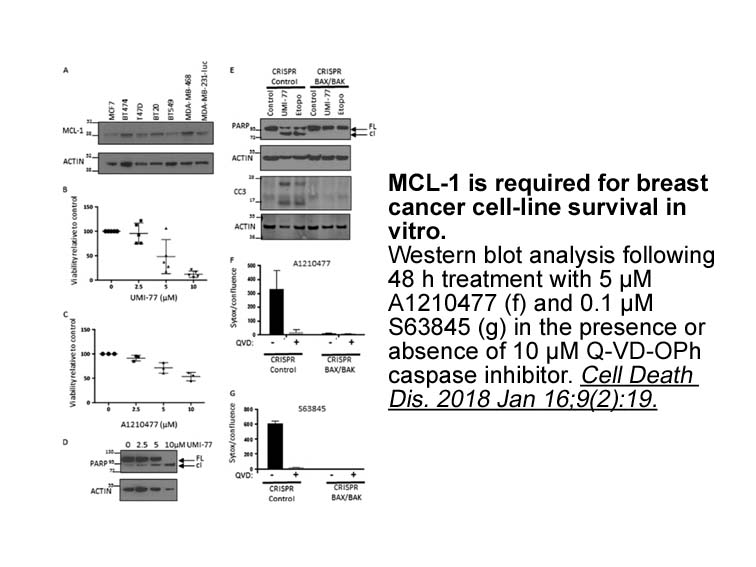
Recently, accumulated evidence has revealed a close link of FXR to gluconeogenesis. For example, activation of FXR by its agonist GW4064 improved hyperglycemia in db/db mice by repressing gluconeogenesis [15], and FXR agonist CDCA decreased transactivation activity of key gluconeogenic genes by indu
-
A common feature of ferroptosis is the iron
2021-12-03

A common feature of ferroptosis is the iron-dependent accumulation of lipid-ROS and the subsequent depletion of polyunsaturated fatty pd184352 synthesis phospholipids (PUFA-PLs) [118]. The PUFA chains of membrane lipids are more susceptible to both enzymatic and non-enzymatic oxidation, which resul
-
In the present study LLY suppressed the
2021-12-03
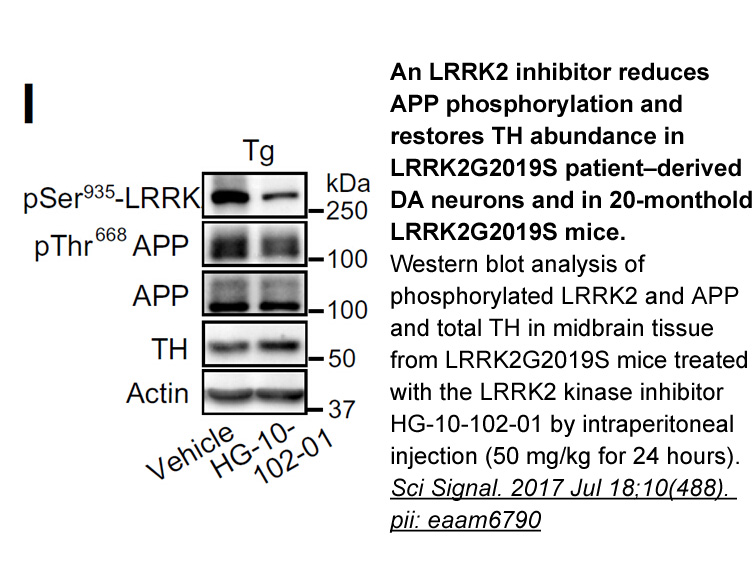
In the present study, LLY-507 suppressed the proliferation of HGSOC crizotinib via induction of apoptosis. Moreover, the colony-formation assay showed the long-term effects of SMYD2 inhibitors on HGSOC. It has been reported that LLY-507 induces an anti-tumor effect in several types of cancers in vi
-
In Kdm c germline and forebrain conditional
2021-12-03
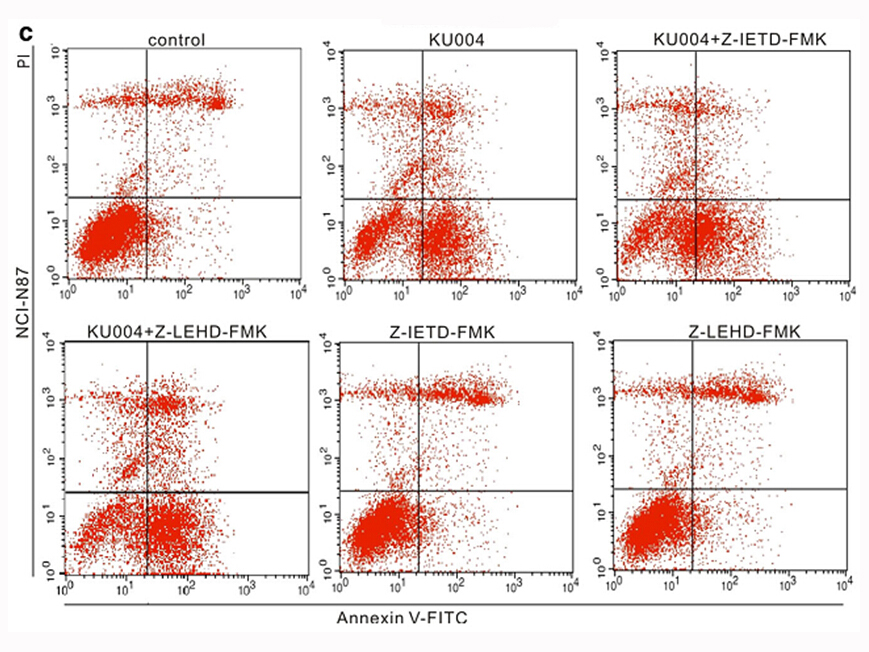
In Kdm5c germline and forebrain conditional knockout mice, RNA sequencing showed the upregulation of a large set of genes, suggesting that Kdm5c functions primarily as a transcriptional repressor [,]. While no changes in global H3K4me3 levels were observed in the knockout neurons, there were thousan
-
Mitochondrial binding by HK prevents mortality by inhibiting
2021-12-03
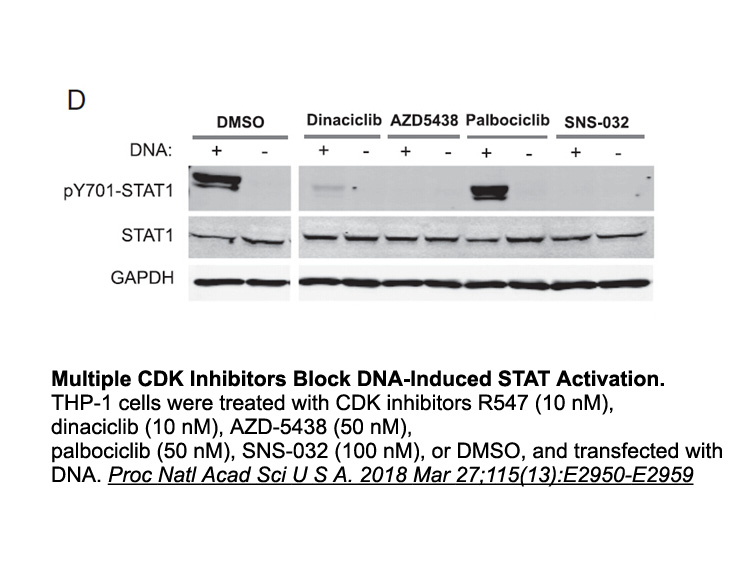
Mitochondrial binding by HK prevents mortality by inhibiting pro-apoptotic factor (Bcl-2 family)-mediated opening of the mitochondrial permeability transition pore (mPTP) (Arora and Pedersen, 1988, Calmettes et al., 2016, Kodde et al., 2007, Pedersen et al., 2002, Rosano, 2011, Schindler and Foley,
-
In this new therapeutic era
2021-12-03
In this new therapeutic era, nucleic VSV-G Peptide amplification tests (NAATs) remain critically useful. NAATs are recommended to detect HCV RNA in blood following initial serologic diagnosis of HCV infection, to distinguish between spontaneous resolution and progression to chronic infection [7]. I
-
br Methods br Results and discussion Protein analysis of com
2021-12-02
Methods Results and discussion Protein analysis of commonly used cell lines (C6, D54-MG, U87, U251 and STTG1) reveals high ipatasertib mg of SXC (Cho and Bannai, 1990, Ye et al., 1999, de Groot et al., 2005, Lyons et al., 2007, Savaskan et al., 2008). Since protein expression can be altered o
-
In this study we present the synthesis and structure
2021-12-02
In this study, we present the synthesis and structure–activity studies of a structurally distinct series possessing high potency and selectivity in HEK cell lines together with a potentially promising overall biopharmacological profile. Focusing on creating sufficient structural dissimilarity with g
-
XL-888 br Introduction Anthocyanidins and anthocyanins glyco
2021-12-02
Introduction Anthocyanidins and anthocyanins (glycosides of anthocyanidins) are flavonoid phenolic compounds that are among the most common types of plant pigments [1]. They typically are responsible for the red, orange, blue, and violet colors in flowers, fruits, and vegetative tissues [1], [2].
-
Limitations of our study are the
2021-12-02
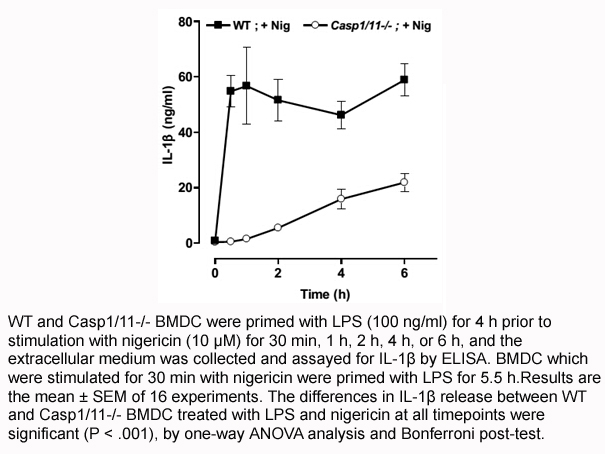
Limitations of our study are the following: we did not measure central energy metabolism in parallel, so we can only hypothesize that GLUT1 hypermethylation may be associated with alterations in central glucose metabolism. We did not measure GLUT1/GLUT4 gene expression or glucose uptake, so that we
-
Some clinical reports have suggested that
2021-12-02
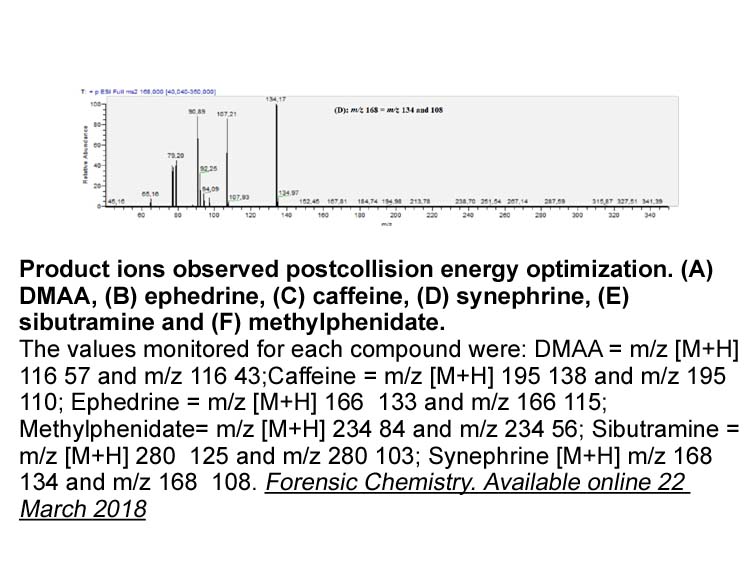
Some clinical reports have suggested that galanin has a role in the neurobiology of mood disorders [[6], [7], [8], [9], [10]]. In behavioral studies, contradictory results have been reported [11,12]. For example, systemic administration of non-selective galanin receptor agonists, such as galmic [13]
-
A comparison of our results with literature data on
2021-12-02
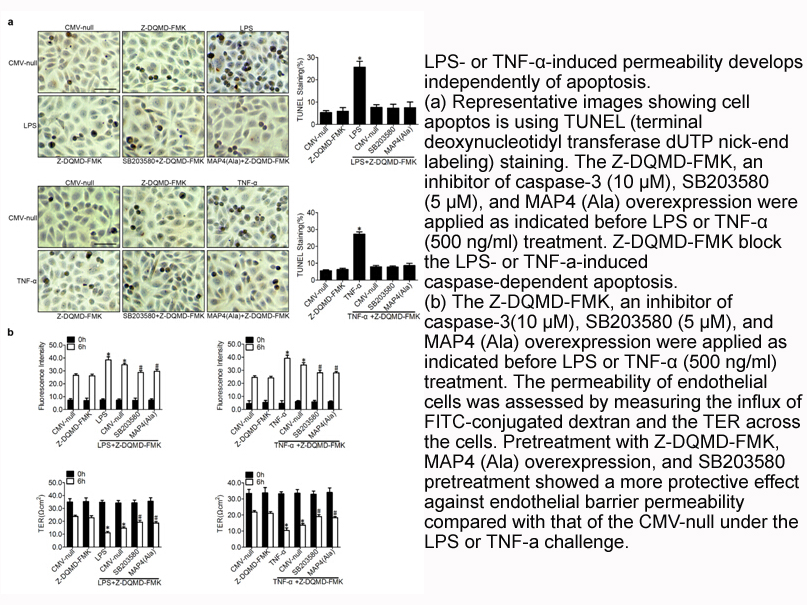
A comparison of our results with literature data on the action of pregnane and androstane steroids on the functional activity of NMDAR, GABAAR and GlyR enables us to draw the following conclusions. First, androstane steroids (with no substituents at C-17) at a concentration up to 50 μM do not affect
-
Sunitinib Malate australia G quadruplex DNA structures may e
2021-12-02
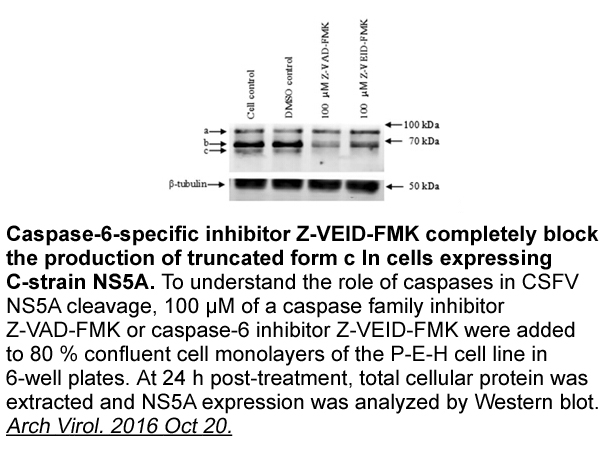
G-quadruplex DNA structures may exist in either positive or negative strand of a promoter to regulate gene expression. The positive strand of the HOXC10 promoter is overall C-rich in the 1000 bp upstream of the TSS (36.6% of C versus 24.1% of G) and contains many C-runs; thus, G-quadruplex structure
-
Thirteen multiparous German Holstein cows in their second to
2021-12-02
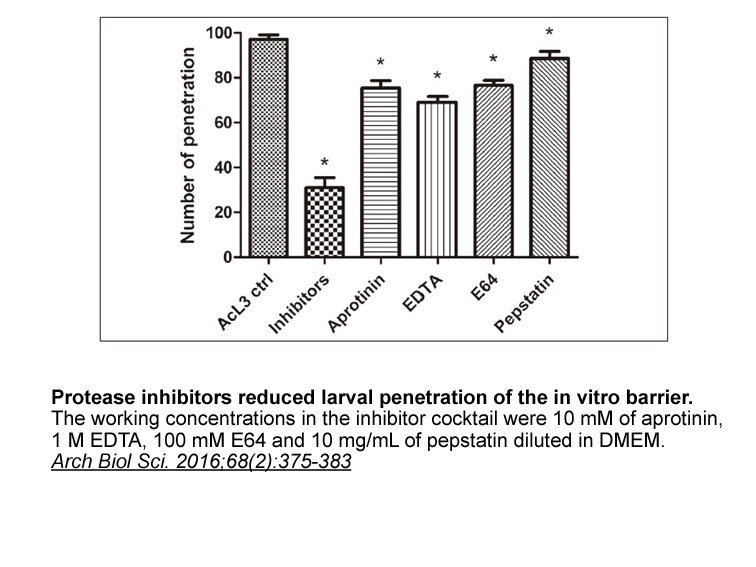
Thirteen multiparous German Holstein cows, in their second to fourth lactation, were selected from a previous study (Schäff et al., 2012) based on their individual peak in plasma BHB concentrations in wk 2 or 3 postpartum: high BHB (H-BHB; 1.05 to 2.57 mmol/L, mean 1.59 mmol/L; n = 8) and low BHB (L
-
The normal function of the FBPase enzyme is to catalyze
2021-12-02
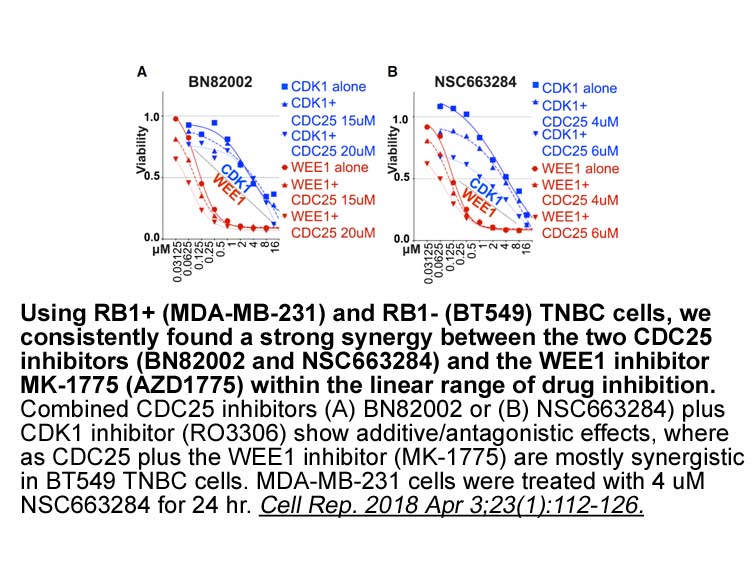
The normal function of the FBPase enzyme is to catalyze the hydrolysis of F1,6BP to F6P. This activity is induced by diabetes and starvation and is increased in diabetic rats. The level of FBPase can be normalized by insulin, however, similar information is not available from diabetic patients. FBPa
16181 records 580/1079 page Previous Next First page 上5页 576577578579580 下5页 Last page