Archives
- 2026-10
- 2026-09
- 2026-08
- 2026-07
- 2026-06
- 2026-05
- 2026-04
- 2026-03
- 2026-02
- 2026-01
- 2025-12
- 2025-11
- 2025-10
- 2025-09
- 2025-03
- 2025-02
- 2025-01
- 2024-12
- 2024-11
- 2024-10
- 2024-09
- 2024-08
- 2024-07
- 2024-06
- 2024-05
- 2024-04
- 2024-03
- 2024-02
- 2024-01
- 2023-12
- 2023-11
- 2023-10
- 2023-09
- 2023-08
- 2023-07
- 2023-06
- 2023-05
- 2023-04
- 2023-03
- 2023-02
- 2023-01
- 2022-12
- 2022-11
- 2022-10
- 2022-09
- 2022-08
- 2022-07
- 2022-06
- 2022-05
- 2022-04
- 2022-03
- 2022-02
- 2022-01
-
Fig A shows a schematic representation of histological resul
2024-11-27
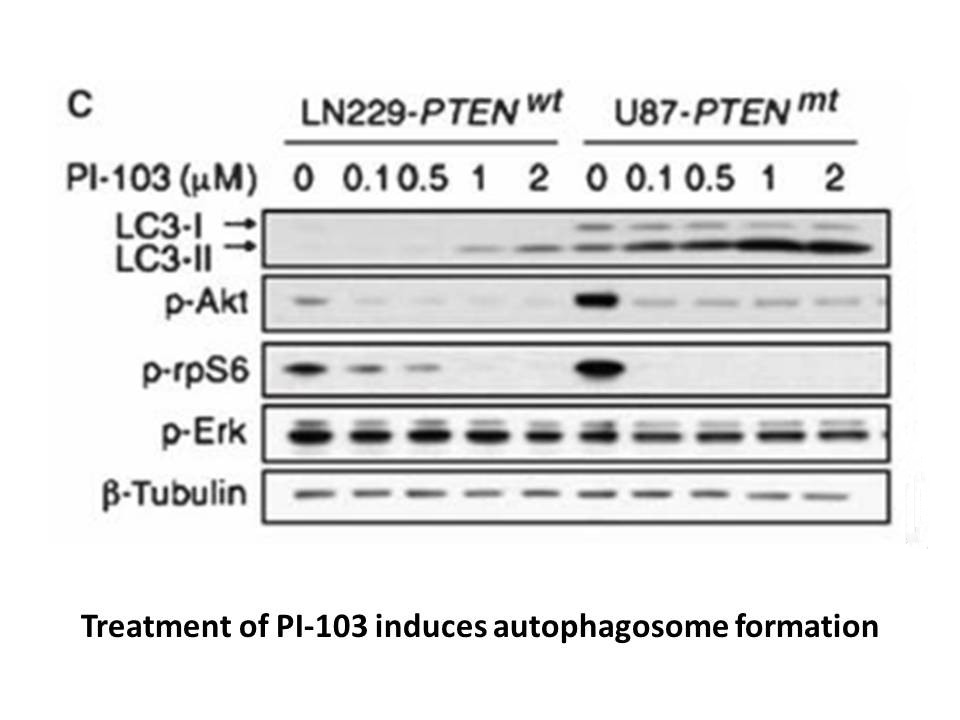
Fig. 2A shows a schematic representation of histological results according to the Franklin and Paxinos Mouse Brain Atlas (2001). The black circles represent the sites of drug infusion that were on-target within the amygdala. Gray circles represent the animals that had infusion locations outside the
-
In order to increase the oral bioavailability
2024-11-27
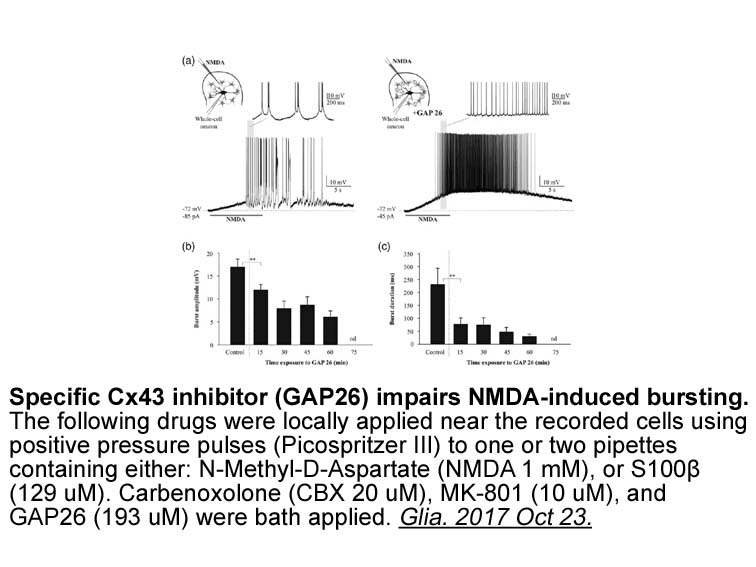
In order to increase the oral bioavailability, abiraterone (157) is being used in the form of its 3β-acetoxy prodrug, abiraterone acetate (156). In spite of the fact that high-fat meals increase the oral bromocriptine mesylate of abiraterone acetate (156), it is recommended that this drug should be
-
At first the APC is a
2024-11-27
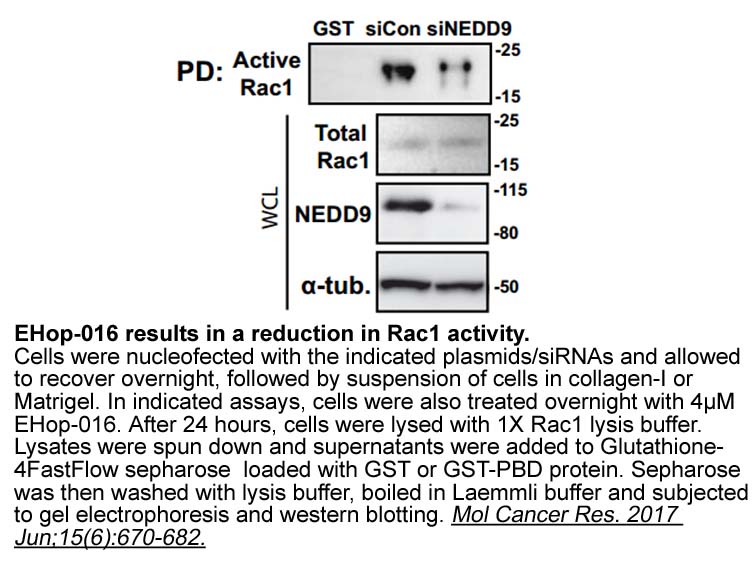
At first, the APC is a 310kDa protein divided into three domains such as N-terminal, central core and C-terminal domain [102], plays a major role to regulate the Wnt signaling pathway in human cancer by translating β-catenin from the Ezatiostat receptor to the nucleus [103]. The SIRT1 regulates the
-
br Conclusion br Acknowledgments The authors
2024-11-27
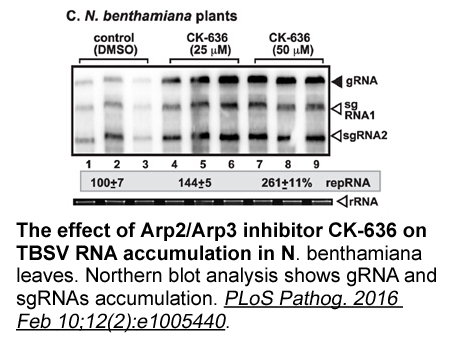
Conclusion Acknowledgments The authors extend their appreciation to Kayyali Chair for Pharmaceutical Industry, Department of Pharmaceutics, College of Pharmacy, King Saud University for funding this work through the research project Number (G-2016-2). Introduction L-ornithine is a natural
-
Additional support for a role
2024-11-27
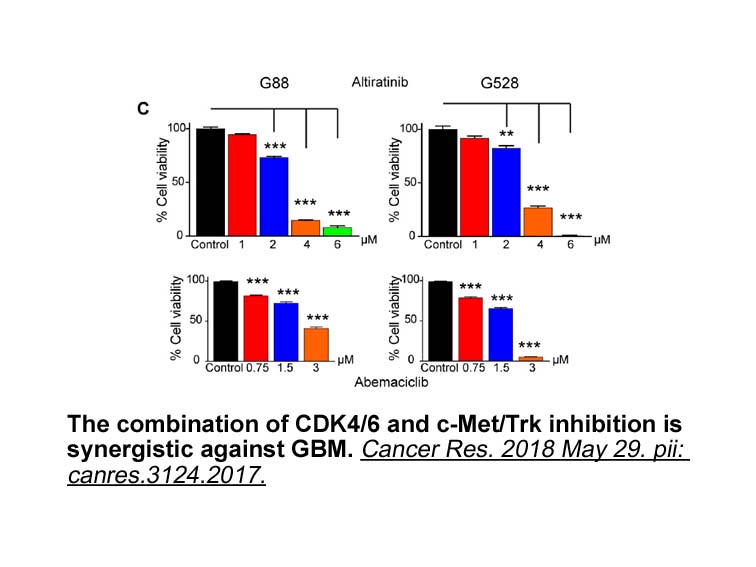
Additional support for a role of HMGN1 in enhancing DNA repair comes from studies of transcription-coupled repair (TCR) in human cells. Lesions in the template strand of DNA induced by UV light stall the movement of RNA polymerase II (RNAPII) and interrupt transcription. Removal of these transcripti
-
The number of times an
2024-11-26

The number of times an animal reared was the only emotional behavior that was significantly higher in the young mice than in the middle-aged group. This may be explained by diminished curiosity or augmented ambulation with aging (Lalonde and Strazielle, 2008). A recent study showed that middle-aged
-
Thus far clinical data indicate
2024-11-26
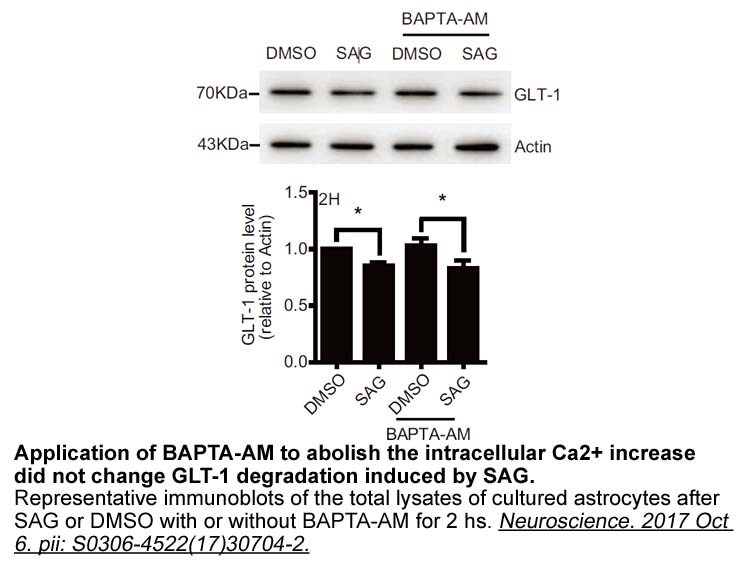
Thus far, clinical data indicate that IDO1 inhibitors have manageable toxicity, albeit with a relatively short period of treatment in a small number of patients. KYN is a pluripotent mediator and key intermediate for the synthesis of a host of downstream KP metabolites that are implicated in inflamm
-
A decrease in lactate concentration in the incubation
2024-11-26
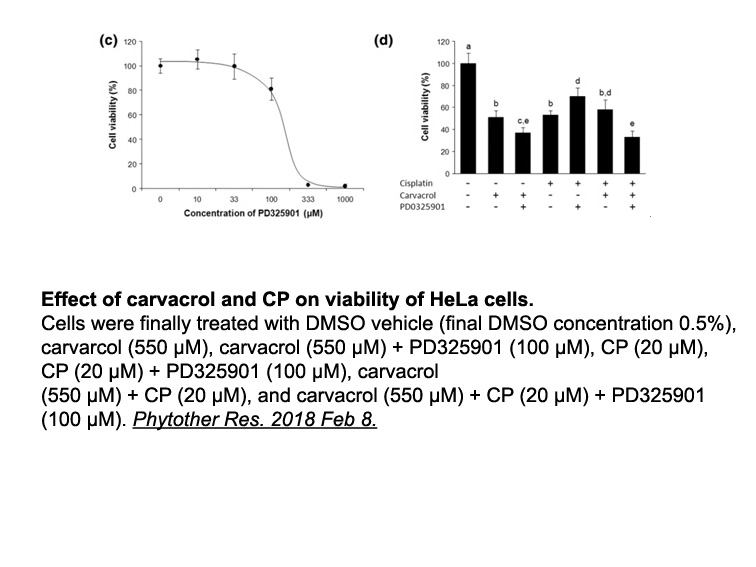
A decrease in lactate concentration in the incubation medium was observed in samples treated with heparin and 2′,5′-dideoxyadenosine compared with the control (0.05; Fig. 2B). Discussion In the present study we compared the oxidative metabolism and intracellular signals of heparin, the glycosami
-
br Results br Discussion Members
2024-11-26

Results Discussion Members of the PfkB family of proteins, which exhibit AK activity, have only been found in the eukaryotic organisms in the past. Hence, the report of a PfkB family protein in MTub that exhibited AK activity was of much interest, and it necessitated closer examination of its
-
ACK has been clearly implicated in cancer progression
2024-11-26
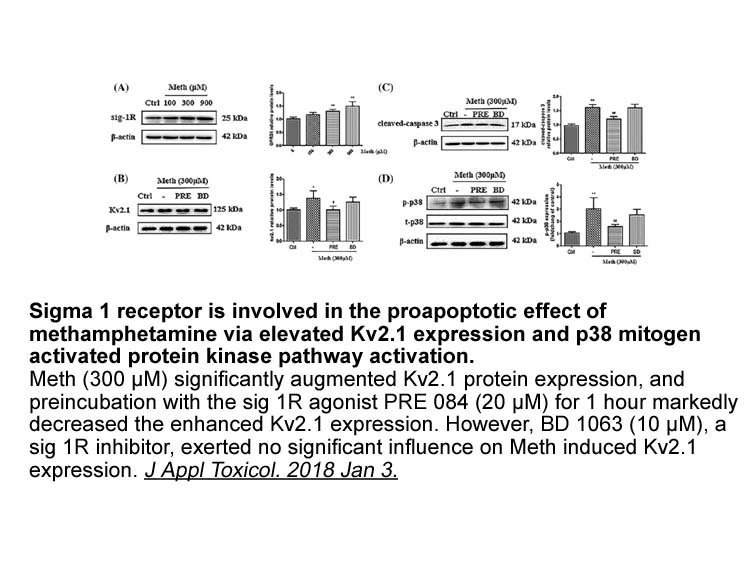
ACK1 has been clearly implicated in cancer progression in recent years. A strong correlation between ACK1 gene copy number, protein level and activity have been demonstrated in tumors of different tissue types (Mahajan et al., 2007; van der Horst et al., 2005; Wang et al., 2006). Our western blot an
-
Melittin australia br Results br Discussion The present
2024-11-26
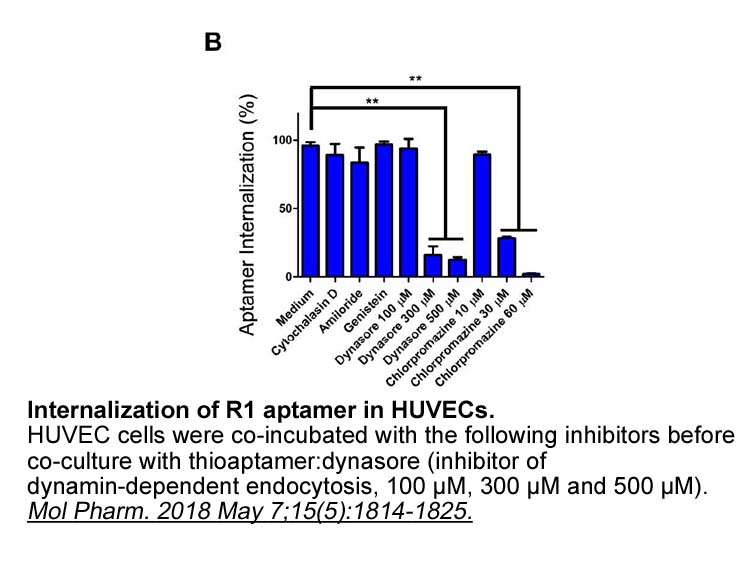
Results Discussion The present study uncovers a role of calpain, a family of calcium-dependent protease, in regulating postsynaptic differentiation at the NMJ. Cholinergic activation stimulates calpain, whose inhibition stabilizes AChR clusters in cultured muscle Melittin australia and in agri
-
The present study showed for the
2024-11-26
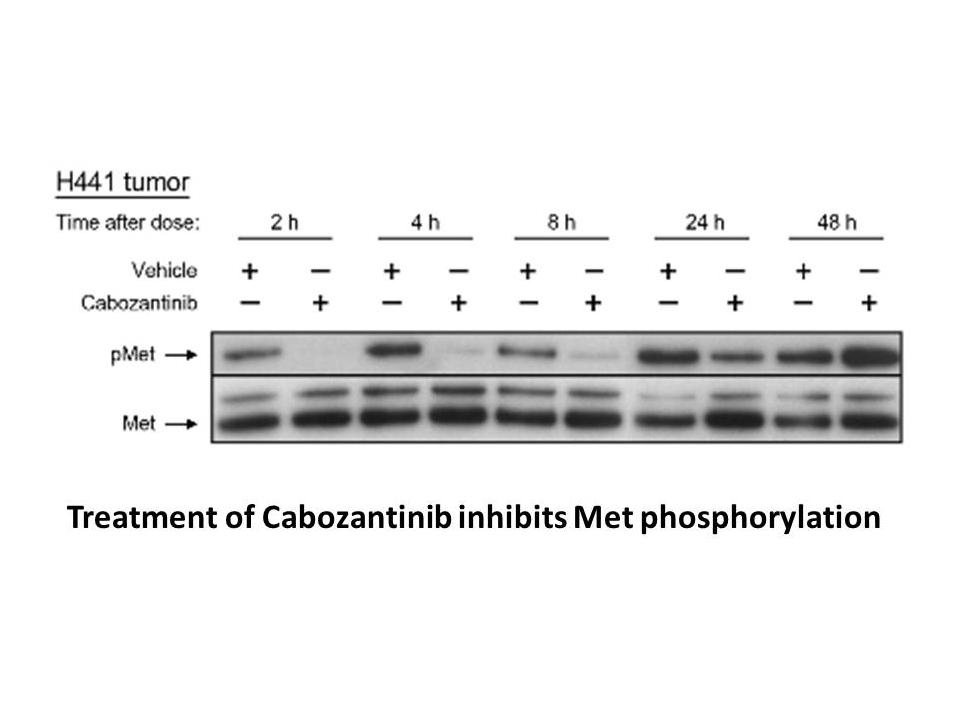
The present study showed, for the first time, that hirsutine, hirsuteine, rhynchophylline, isorhynchophylline, corynoxeine, and isocorynoxeine in yokukansan can inhibit the 5-HT3 receptor current. These data indicate that part of the effect of yokukansan against the behavioral and psychological sym
-
The introduction of a pyrazole
2024-11-26
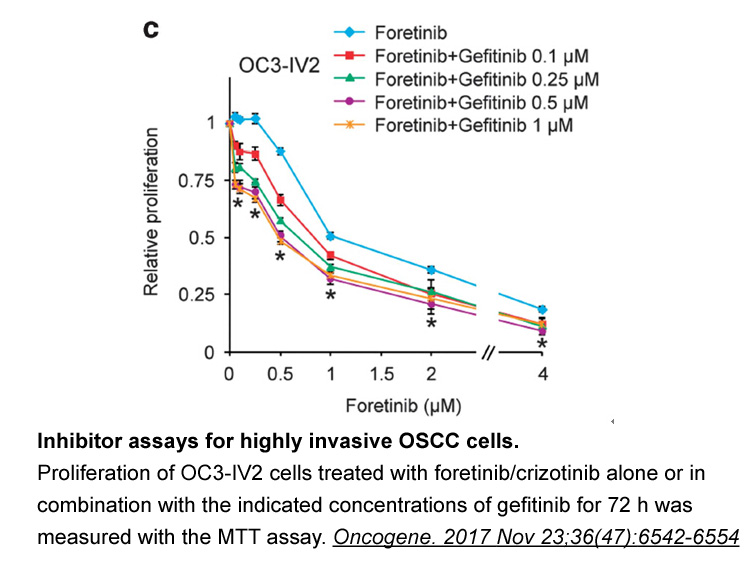
The introduction of a pyrazole moiety into any position of the sterane core by cross-coupling reactions [13] or by Knorr construction from a CCC bis-electrophilic sterane precursor and an N,N binucleophile building block [17], [19] may serve as an example. Very few reports are to be found, however,
-
The physiologic conditions and signaling
2024-11-25
The physiologic conditions and signaling mechanisms that regulate apelin secretion and APLNR expression in malignant tissues appear to be multifactorial. Previous studies have shown that hyperplastic and neoplastic cholangiocytes secrete a variety of hormones, peptides, and growth factors that help
-
The activity of MMPs is regulated at the level
2024-11-25
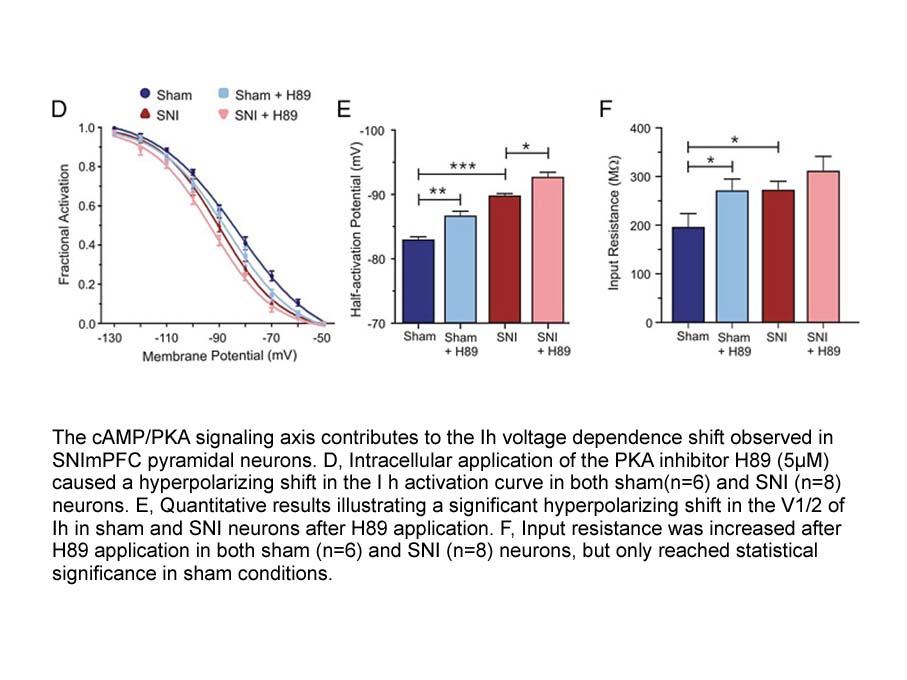
The activity of MMPs is regulated at the level of gene transcription or by the enzymatic activation of latent enzymes. Inflammatory cytokines such as interleukin (IL)-1β, tumor necrosis factor (TNF)-α and IL-6 are elevated in synovial fluid, synovium and cartilage in patients with OA, and these cyto
8567 records 85/572 page Previous Next First page 上5页 8182838485 下5页 Last page